

Can I Donate Plasma If I Have Diabetes?
For many individuals living with diabetes, the question of whether they can donate plasma is a common concern. The good news is that most people with diabetes can donate plasma, provided their condition is well-managed and their overall health is stable. Plasma donation centers generally accept donors with diabetes, but it’s essential to understand the specific requirements and guidelines set by these centers to ensure a safe and successful donation experience.
Understanding Diabetes Management
Effective management of diabetes is crucial for anyone considering plasma donation. If you have diabetes, following your prescribed treatment plan—which may include medication, diet, and regular monitoring of blood sugar levels—is vital. Here are several key points to consider:
- Regular Monitoring: Keeping track of your blood sugar levels is critical in determining your fitness to donate. High or unstable blood sugar levels may disqualify you from donating plasma. Regular monitoring provides peace of mind and helps you make informed decisions.
- Medication: If you are taking medications such as Metformin, it is important to inform the donation center staff. They will assess your overall health and ensure that your diabetes is under control. Understanding how your medications affect your body is crucial for determining your eligibility.
- Consultation: Before visiting a donation center, consult with your healthcare provider about your eligibility. They can offer personalized advice based on your health status, which is essential for navigating any potential issues.
Finding a Plasma Donation Center
Locating a plasma donation center near you is a straightforward process. You can begin by searching online or using local directories. Many well-known plasma donation services, such as Plasma Near Me, can assist you in finding nearby facilities. Here are some tips for finding a suitable donation center:
- Check Locations: Look for centers that are conveniently located. Services like CSL Plasma and BioLife Plasma Services have multiple locations across various regions. Select a center that fits your schedule and is easily accessible.
- Verify Requirements: Each donation center may have different eligibility requirements. It is essential to check their websites or contact them directly for information regarding health requirements and donation procedures. This can save you time and ensure you meet all necessary criteria before your visit.
- Promotions: If you are looking for incentives, inquire about any promotions or referral bonuses. For example, you can find a CSL Plasma promo code that may offer additional benefits for your donation. Taking advantage of these promotions can enhance your donation experience.
Health Considerations for Plasma Donation
When considering plasma donation, several health factors are particularly important for individuals with diabetes. Here are some vital considerations:
- High A1c Levels: Elevated A1c levels may indicate poorly managed diabetes, which could disqualify you from donating plasma. It is essential to have your diabetes under control before attempting to donate. Regular A1c testing allows you to effectively track your diabetes management.
- Medication Impact: Medications like Metformin generally do not affect your eligibility to donate plasma, but you must disclose this information to the donation center staff. Transparency about your medications helps the staff make informed decisions regarding your donation.
- Overall Health: Your general health significantly influences your eligibility. If you have other health conditions or concerns, discuss them with your healthcare provider before donating. Conditions such as hypertension or heart disease may also impact your ability to donate plasma.
What to Expect During the Donation Process
Understanding the plasma donation process can help alleviate any concerns you may have. Here’s a brief overview of what to expect:
- Initial Screening: Upon arrival at the donation center, you will undergo a screening process. This includes answering questions about your health history, medications, and lifestyle. The staff will assess your eligibility based on the information you provide.
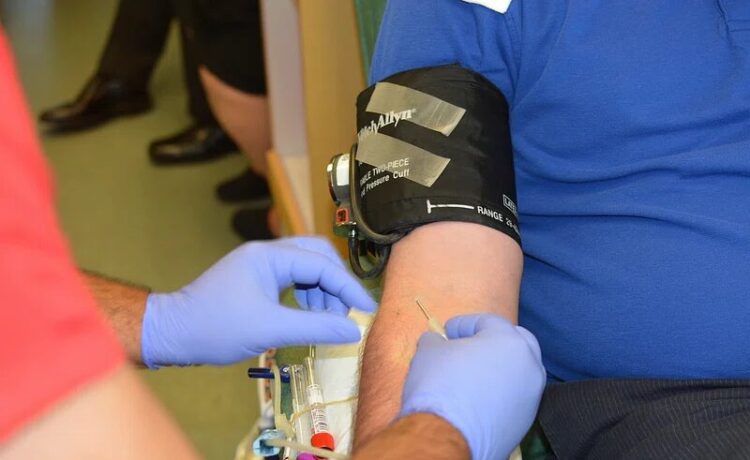
- Health Check: Staff will check your vital signs, including blood pressure and pulse, to ensure you are fit to donate. This step is crucial for ensuring your safety during the donation process.
- Donation Procedure: The actual donation process typically takes about 45 minutes to an hour. You will be seated comfortably while a needle is inserted into your arm to collect plasma. The process is generally safe, and the staff will assist you throughout.
- Post-Donation Care: After donating, you will be monitored for a short period. It’s important to hydrate and rest to help your body recover. The staff will provide you with snacks and drinks to replenish your energy levels.
Dietary Considerations Before Donating Plasma
Your diet can significantly impact your plasma donation experience. It is essential to consume the right foods before your appointment. Here are some dietary tips to consider:
- Stay Hydrated: Drink plenty of water before your donation to help maintain blood volume and improve the donation process. Proper hydration can make the donation easier and more comfortable.
- Eat a Balanced Meal: Consuming a nutritious meal before donating can help stabilize your blood sugar levels. Foods rich in protein and iron are particularly beneficial. Consider meals that include lean meats, legumes, and leafy greens to ensure you are well-nourished.
- Avoid Certain Foods: Try to avoid fatty or greasy foods before your donation, as they can affect the quality of your plasma. For more detailed dietary suggestions, check out this guide.
Common Questions About Plasma Donation and Diabetes
Many potential donors have questions about the intersection of diabetes and plasma donation. Here are some common inquiries:
- Can I donate plasma if I have type 1 diabetes? Yes, individuals with type 1 diabetes can donate plasma as long as their blood sugar levels are stable and well-managed. It is important to monitor your condition closely and communicate any concerns with the donation staff.
- What if I experience low blood sugar before my donation? If you feel that your blood sugar is low, it is crucial to address this before attempting to donate. Consuming a quick source of sugar, such as glucose tablets or juice, can help stabilize your levels. Always prioritize your health and safety.
- Is there a waiting period after changing diabetes medication? If you have recently changed your diabetes medication, it is advisable to wait until your blood sugar levels are stable before donating plasma. Consult your healthcare provider for guidance on when it is safe to donate.
Final Thoughts
Individuals with diabetes can donate plasma as long as their condition is well-managed and their overall health is stable. Monitoring your blood sugar levels, consulting with healthcare professionals, and adhering to the guidelines set by the plasma donation center are crucial steps in this process. By following these measures and ensuring you meet all health requirements, you can contribute to this vital act while maintaining your health and safety. Always communicate openly with the donation staff about your health status and any medications you may be taking. Your willingness to donate can make a significant difference in the lives of those in need, and with proper management, you can safely participate in this lifesaving act.