

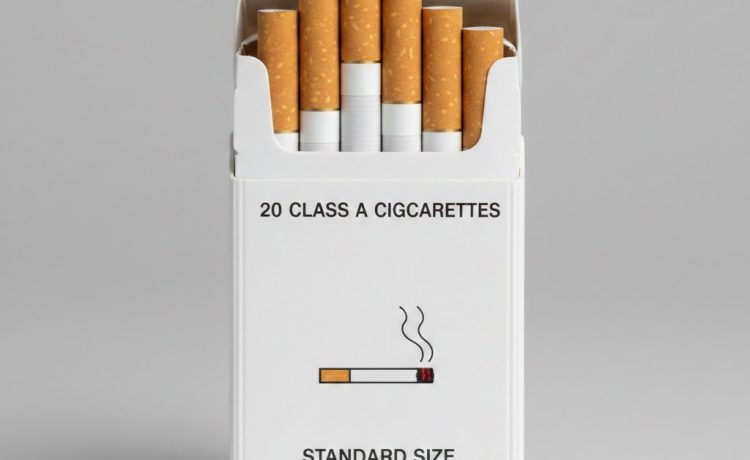
If you’ve ever wondered how many cigarettes in a pack, you’re not alone. Many smokers, especially beginners or occasional users, are curious about the standard number of cigarettes in a pack quantity of sold in a single pack. Knowing this can help you plan your purchases, track consumption, or even manage your budget. How many cigarettes are in a pack can vary depending on the country or brand, but there is a general standard followed worldwide. This article explains the typical number of cigarettes in a pack, why it matters, and other related information.
Standard Number of Cigarettes in a Pack
In most countries, the standard number of cigarettes in a pack is twenty. This has been a widely accepted norm for decades. Tobacco companies usually package cigarettes in packs of twenty to maintain consistency and meet regulations. Some countries allow different sizes, like ten, fifteen, or twenty-five cigarettes per pack, but twenty remains the most common. Knowing this helps smokers understand consumption patterns and costs. Even though some brands may offer smaller or larger packs, the standard how many cigarette in a pack is twenty, making it easier to compare prices and plan your smoking habits.
Why the Number of Cigarettes in a Pack Matters
Understanding how many cigarettes in a packet matters for several reasons. Firstly, it helps manage your smoking habits. If you know a pack contains twenty cigarettes, you can track daily consumption and avoid over-smoking. Secondly, it aids in budgeting. Cigarettes can be expensive,and knowing the exact quantity in a pack helps you calculate costs. Lastly, for travel or gifting, knowing the standard pack size ensures you follow legal limits in different countries. Even if you switch brands, the number of cigarettes in a pack is usually consistent, making it easy to plan purchases and consumption.
Variations Around the World
While the standard pack contains twenty cigarettes, some regions have variations. In some European countries, small packs of ten cigarettes are common. Larger packs, containing twenty-five or thirty cigarettes, are available in certain markets. These variations exist due to local regulations, pricing strategies, or consumer preferences. Regardless of the variation, most smokers are familiar with the standard twenty-cigarette pack. If you are wondering how many cigarettes are in a pack in your country, it’s best to check the local packaging laws or the brand’s product description.
Cigarette Packs and Health Considerations
Knowing how many cigarettes in a pack is also important for health reasons. Smoking twenty cigarettes a day, which is roughly one pack, can have serious health impacts. Tracking consumption helps smokers monitor their habits and potentially reduce intake. Many public health campaigns encourage smokers to know the quantity of cigarettes they consume daily to control addiction and prevent health issues. While the number of cigarettes in a pack doesn’t change the health risks, being aware of your usage can promote healthier decisions over time.
Special Cigarette Packs
Some brands offer non-standard packs to attract consumers. Mini packs of ten cigarettes are popular among casual smokers or those trying to cut down. Larger packs of twenty-five or thirty cigarettes are sometimes offered at discounted rates, appealing to regular smokers. These special packs may vary in price but are generally consistent in quality. If you’re curious how many cigarettes in a packet, checking the packaging will give you the exact number. Despite these variations, the classic twenty-cigarette pack remains the most recognized and widely used globally.
How to Check the Number of Cigarettes in a Pack.
Checking how many cigarette in a pack is simple. Most packages have a visible label stating the quantity. The number is often printed on the front or back of the package. For unknown brands or imports, you can open the pack and count the cigarettes. Retailers are legally required to sell cigarettes in standardized quantities, so you can trust the packaging. Knowing this ensures you always get the correct amount, whether you are buying a single pack or multiple boxes.
Tips for Managing Cigarette Packs
Understanding how many cigarettes in a pack can also help in managing your usage. Here are some tips:
- Keep track of daily consumption by marking each cigarette you smoke.
- Consider buying smaller packs if you want to reduce smoking.
- Store packs safely to avoid damage or moisture.
- Compare prices across brands based on the number of cigarettes per pack.
Even small changes in pack management can improve budgeting and health awareness.
Conclusion
In summary, the standard how many cigarettes in a pack is twenty. While variations exist in different countries and brands, twenty remains the most common. Knowing the number of cigarettes in a pack helps manage consumption, budget, and health considerations. Always check packaging for non-standard packs and track your daily usage to stay aware. Understanding these basics allows smokers to make informed choices and maintain control over their habits. Whether for health, budgeting, or curiosity, knowing how many cigarettes are in a pack is valuable information for anyone.
FAQs
1. How many cigarettes are in a standard pack?
The standard number of cigarettes in a pack is twenty. Most brands follow this norm worldwide. Some countries may offer smaller packs of ten or larger packs of twenty-five, but twenty is the most common and widely recognized quantity. Knowing this helps you plan consumption and budget effectively.
2. Can the number of cigarettes in a pack vary?
Yes, the number of cigarettes in a pack can vary depending on the brand or country. While the classic pack contains twenty cigarettes, smaller packs of ten or larger packs of twenty-five or thirty are sometimes available. Always check the packaging to know how many cigarettes are in a packet before buying.
3. Why is it important to know how many cigarettes are in a pack?
Knowing how many cigarettes in a pack helps manage smoking habits, control costs, and track daily consumption. It also supports health awareness, allowing smokers to monitor their intake and make informed decisions about reducing or quitting smoking.