

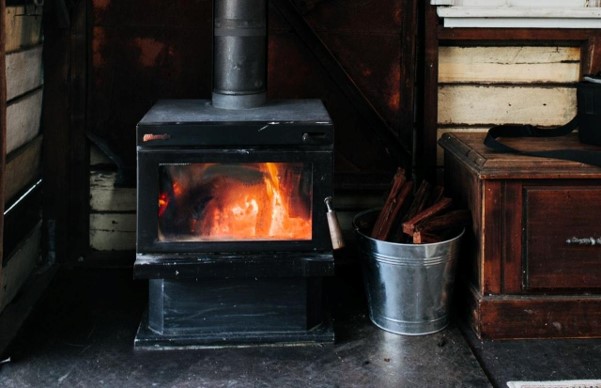
When the temperature drops, few things beat the warmth of a wood fire. But not every wood stove does the same job. The Max Caddy and the Regina Wood Burning Cook Stove both burn wood, yet they suit very different homes and lifestyles. Here’s how to decide which one belongs in yours.
Two Stoves, Two Purposes
The Max Caddy is a compact wood stove built for efficient, focused heating. Its smaller footprint makes it a natural fit for cabins, workshops, garages, and tight living spaces where a full-size stove would take over the room.
The Regina Wood Burning Cook Stove is a multitasker. It heats your space, and it also gives you a cooking surface and oven, so it can serve as the center of a kitchen. It’s a popular choice for homesteaders, off-grid households, and anyone who loves the character of cooking over wood.
Heating Performance
If your main goal is warming a room or a small building, the Max Caddy is the more direct solution. Compact stoves heat up quickly and are easy to manage in a small space, which means less wood and less fuss.
The Regina also puts out real heat, but part of its energy goes toward cooking. That’s a bonus if you’re in the kitchen anyway, since the stove that warms the room is also making dinner. It’s less ideal if you want pure, dedicated heat for a separate area.
Cooking Capability
This is where the Regina stands apart. With a cooktop and oven, you can simmer soups, boil water, bake bread, and roast meals without touching the electric or gas grid. Cooking on wood has a learning curve, since you manage the fire to manage the temperature, but many people find it rewarding.
The Max Caddy isn’t designed as a full cooking appliance. Depending on the top surface, you may be able to keep a kettle warm or heat a simple meal, but it’s not a replacement for a cook stove.
Space and Installation
Size matters. The Max Caddy’s smaller dimensions give you more flexibility in placement and typically make clearances easier to meet in tight rooms. The Regina is larger and needs a dedicated spot, ideally in or near the kitchen, with proper clearances and a well-planned chimney system.
For either stove, follow the manufacturer’s installation instructions, check your local building codes, and consider a certified professional for the flue and chimney work. Proper installation is the biggest factor in safety and performance.
Who Should Choose Which?
Choose the Max Caddy if you:
- Want efficient heat for a cabin, workshop, garage, or small room
- Have limited floor space
- Prefer a simpler, lower-maintenance setup
Choose the Regina if you:
- Want one appliance to heat and cook
- Live off-grid or are working toward self-sufficiency
- Have room for a larger stove in your kitchen or main living area
- Enjoy traditional wood cooking
Can You Have Both?
Absolutely. Plenty of homesteads pair the two: a Regina in the main kitchen for daily cooking and baseline warmth, and a Max Caddy in a workshop, guest cabin, or outbuilding. Together they cover both heating and cooking without depending on the grid.
Final Thoughts
There’s no single winner here. The Max Caddy wood stove for sale excels at compact, efficient heating, and the Regina excels at bringing heat and cooking together. Start with what you need most, whether that’s a warm workshop or a wood-fired kitchen, and let that guide your choice.
Have questions about sizing, installation, or fuel? Reach out and we’ll help you find the right fit.
Frequently Asked Questions
1. What’s the main difference between the Max Caddy and the Regina Wood Burning Cook Stove?
The Max Caddy is a compact stove designed mainly for efficient heating, which makes it a good match for cabins, workshops, and small spaces. The Regina is a cook stove, so it heats your space and also gives you a cooktop and oven for everyday cooking.
2. Can I cook on the Max Caddy wood stove?
Its main job is heating, not cooking. Depending on the top surface, you may be able to keep a kettle warm or heat a simple meal, but it isn’t a substitute for a full cook stove. If regular cooking and baking matter to you, the Regina is the better choice.
3. Will the Regina heat my whole house?
That depends on your home’s size, layout, insulation, and the stove’s output. The Regina works well as a heat source for a kitchen and the surrounding living area, and many households use it alongside other heating. Check the manufacturer’s specifications to see whether its output matches the space you want to warm.
4. Do I need a professional to install either stove?
Installation requirements vary by location, so check your local building codes and the manufacturer’s instructions first. Because the flue and chimney directly affect safety and performance, we recommend having a certified professional handle or inspect the installation. Proper clearances to walls and floors are essential for both stoves.
5. What kind of wood should I burn, and how do I maintain these stoves?
Use well-seasoned hardwood that has dried for at least six to twelve months, since dry wood burns hotter, cleaner, and produces less creosote. For maintenance, clear ash regularly, inspect gaskets and door seals, and have your chimney cleaned at least once a year, or more often if you burn heavily. Always follow the maintenance guidance in your stove’s manual.