
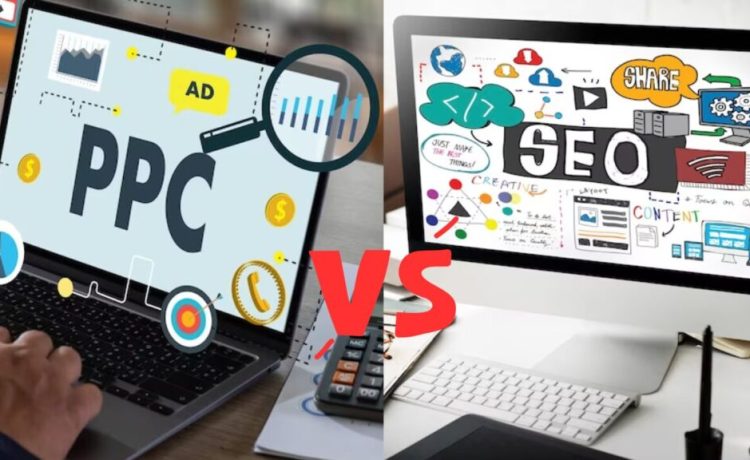
PPC Ads vs. SEO: Which One is Better for Your Business?
When navigating the digital marketing landscape, businesses often find themselves at a crossroads: should they invest in PPC (Pay-Per-Click) ads or focus on SEO (Search Engine Optimization)? Each strategy comes with its own set of advantages and challenges, making it essential for business owners to grasp the nuances of both. This article explores the definitions, benefits, drawbacks, and overall effectiveness of PPC ads and SEO to help you make an informed decision for your business.
Understanding PPC Ads and SEO
PPC, or Pay-Per-Click advertising, is a digital marketing model where advertisers pay a fee each time their ad is clicked. This approach allows businesses to purchase visits to their websites rather than relying solely on organic traffic. For instance, when a user searches for “running shoes” and sees an ad at the top of the search results, that ad is typically part of a PPC campaign. Advertisers bid on keywords, and ad placements are determined by a combination of bid amounts and ad quality.
On the other hand, SEO focuses on optimizing a website to rank higher in organic search results. This involves various strategies aimed at improving both on-page elements, such as content quality and keyword usage, and off-page elements, such as backlinks and social signals. For example, a local bakery might optimize its website to appear in searches for “best chocolate cake near me,” aiming for free, sustained traffic from search engines.
Benefits and Drawbacks of PPC Ads
The advantages and disadvantages of PPC ads can significantly influence your marketing strategy. Here’s a closer look:
- Immediate Visibility: Your ad can appear at the top of search engine results within hours of launching, providing instant traffic.
- Targeted Reach: PPC allows precise targeting based on demographics, geographic areas, and user interests, ensuring your ads reach the right audience.
- Budget Control: You can set a budget and stop ads at any time, offering flexibility for businesses of all sizes.
However, there are also drawbacks to consider:
- Cost: Over time, clicks can become expensive, especially in competitive niches where bidding wars can drive prices up.
- Temporary Results: Traffic ceases as soon as the budget runs out, unlike SEO, which can yield lasting results.
- Complexity: Managing PPC campaigns requires expertise in keyword selection and ad strategies, which can lead to wasted budgets if not handled properly.
Benefits and Drawbacks of SEO
SEO also comes with its own set of advantages and challenges:
- Cost-Effectiveness: After the initial setup, organic traffic doesn’t incur ongoing costs, making it a sustainable long-term strategy.
- Long-Term Results: Once ranked, your site can maintain visibility, delivering visitors over time without additional spending.
- Credibility and Trust: Users often trust organic listings more than paid ads, leading to higher click-through rates and fostering brand loyalty.
On the flip side, SEO has its disadvantages:
- Time-Consuming: Achieving high rankings can take months or even years, requiring patience and consistent effort.
- Algorithm Changes: Search engines frequently update their algorithms, which can affect rankings unexpectedly.
- Ongoing Maintenance: SEO requires regular updates and optimization to remain effective, which can be daunting for businesses seeking quick results.
Cost Comparison between PPC Ads and SEO
Understanding the cost structures of both PPC and SEO is crucial for making an informed decision.
Cost Structure of PPC Ads
PPC ads generally have a straightforward cost structure, which includes:
- Bid Amount: Advertisers set a maximum price they are willing to pay per click.
- Ad Spend: Monthly budgets can vary widely depending on competitive keywords and campaign goals.
- Management Fees: If hiring experts, additional costs for managing campaigns must be factored in.
For instance, a small e-commerce site might allocate between $500 and $2,000 monthly for PPC, depending on its competition and traffic goals.
Cost Structure of SEO
In contrast, SEO involves different cost elements:
- Initial Investment: This may include hiring SEO experts, creating quality content, and optimizing the website.
- Ongoing Maintenance: Regular updates and monitoring can incur monthly or annual costs.
- Time and Resources: Significant time commitment is needed for effective SEO, which can be costly for busy teams.
While SEO might seem more affordable initially, it often requires a longer commitment to yield substantial results, making both approaches valuable in different contexts.
Targeting and Reach in PPC Ads vs. SEO
Understanding audience targeting and reach is essential when deciding between PPC and SEO.
Audience Targeting in PPC Ads
PPC ads excel in audience targeting, allowing advertisers to refine their reach using various parameters:
- Demographics: Targeting based on age, gender, and income level.
- Geographic Location: Specific cities or regions can be targeted to enhance relevance.
- Interests and Behaviors: Tailoring ads based on user activity or interests can improve engagement.
For example, a luxury watch brand can use PPC to target affluent individuals in specific urban areas, maximizing ad relevance and effectiveness.
Audience Reach in SEO
Conversely, SEO offers broader audience reach without the same level of precision. By optimizing content for search engines, businesses can attract:
- Organic Traffic: Higher rankings lead to more users discovering the site via search queries.
- Long-Lasting Presence: Good SEO practices can result in sustained visibility over time.
However, unlike PPC, you can’t directly target demographics, making SEO more about attracting a wide audience based on content relevance.
Measuring Success: PPC Ads vs. SEO
Measuring the success of PPC ads and SEO involves different key performance indicators (KPIs) that provide insights into campaign effectiveness.
Metrics for Evaluating PPC Ads
Key metrics for evaluating PPC ads include:
- Click-Through Rate (CTR): A higher CTR indicates that your ad resonates with the audience.
- Cost Per Click (CPC): Understanding your expenditure per click helps assess the financial efficiency of campaigns.
- Conversion Rate: Tracking how many clicks lead to desired actions, like purchases, offers a clear picture of ROI.
Metrics for Evaluating SEO
On the flip side, evaluating SEO success requires a different set of metrics:
- Organic Traffic: Growth in organic visitors indicates your website’s SEO performance.
- Keyword Ranking: Monitoring your position for targeted keywords shows how well you’re optimizing your content.
- Bounce Rate: A high bounce rate may suggest that visitors are not finding what they expected, helping refine strategies.
For example, a consistently rising organic traffic trend might indicate successful SEO efforts, reinforcing the value of investing in both approaches for comprehensive digital marketing success.
Integration of PPC Ads and SEO
PPC ads and SEO, when integrated, create a powerful synergy that can enhance overall digital marketing efforts. For instance:
- Increased Visibility: Running PPC alongside an SEO campaign can ensure your brand appears at the top of search results through both paid and organic listings.
- Data Sharing: Insights from PPC campaigns—such as high-performing keywords—can inform SEO strategies, allowing for more efficient optimization efforts.
Imagine a scenario where a business utilizes both methods: while their SEO strategy builds long-term organic visibility, PPC ads can generate immediate traffic and leads.
Strategies for Combining PPC Ads and SEO
To effectively combine PPC and SEO, consider these strategies:
- Keyword Research: Use high-performing PPC keywords to optimize SEO content for better visibility.
- Landing Page Optimization: Align PPC landing pages with SEO tactics to ensure consistent messaging and better conversion rates.
- Remarketing: Target users who engaged with PPC ads through SEO content, reinforcing brand recall and encouraging conversions.
By combining efforts, businesses can create a dynamic digital presence that maximizes return on investment and strengthens customer connections.
Conclusion
Understanding the nuances of both PPC and SEO is crucial for businesses considering their digital marketing strategy. Each approach offers distinct benefits that can complement one another, leading to a more effective overall marketing strategy. For further insights into the benefits of SEO, consider exploring the benefits of using organic SEO services or why businesses should start investing in SEO quickly. Additionally, for insights on measuring PPC campaign performance, check out this resource from Gartner.