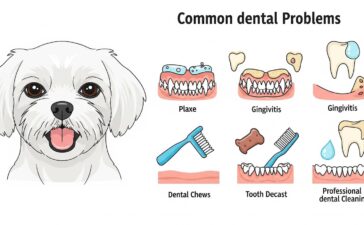


Preventive veterinary care is the cornerstone of long-term animal health and sustainable veterinary practice. Modern clinics focus on early intervention, routine monitoring, and structured wellness plans rather than reacting to illness. Clinics that invest in preventive systems, skilled staff, and reliable tools consistently achieve better patient outcomes and stronger client relationships.
A strong preventive model also relies on having the right people in place. Staffing gaps in veterinary jobs can directly affect appointment availability, continuity of care, and preventive follow-ups. By maintaining stable teams, clinics can deliver consistent care, reduce burnout, and ensure that preventive strategies are effectively implemented.
What Preventive Veterinary Care Means in Practice
Preventive veterinary care refers to proactive strategies designed to detect health risks early and reduce the likelihood of serious disease. It goes beyond vaccinations and includes:
- Routine exams
- Diagnostics and screenings
- Client education
- Long-term health planning
From a veterinary perspective, prevention is more efficient than treatment. Chronic conditions, dental disease, obesity, and parasite infestations are far easier to manage when identified early. Preventive care also allows veterinarians to build complete medical histories, improving diagnostic accuracy over time.
Benefits of preventive veterinary care:
- Pets: Improved quality of life
- Clinics: Predictable workflows
- Clients: Reduced emergency costs
Routine Veterinary Checkups: Detecting Problems Early
Routine veterinary checkups allow veterinarians to spot subtle changes that pet owners may overlook. A standard wellness exam typically includes:
- Physical examination
- Weight and body condition scoring
- Oral health evaluation
- Skin and coat assessment
- Heart and lung auscultation
Many serious conditions are often detected during regular checkups. Mild heart murmurs, early joint stiffness, or gradual weight changes can suggest more significant health problems. Clinics that focus on routine visits also see better patient compliance. This makes wellness visits feel necessary instead of optional.
Early Detection in Pets Saves Lives
Early detection in pets is one of the strongest arguments for preventive veterinary care. Diagnostic screenings during wellness visits can uncover hidden problems before clinical signs appear. Examples include:
- Early kidney disease detected through bloodwork
- Thyroid imbalances in senior pets
- Heart disease flagged during routine auscultation
- Diabetes recognized via weight trends and lab tests
Veterinarians know that early-stage disease management is less stressful for pets, more cost-effective for owners, and increases treatment success rates. Importantly, early detection focuses on appropriate diagnostics based on age, breed risk, and clinical history, not unnecessary testing.
Pet Preventive Health Care as a Long-Term Strategy
Pet preventive health care works best when it is planned, not reactive. Structured wellness plans allow clinics to standardize care while tailoring it to individual patients.
Preventive care plans often include:
- Annual or biannual exams
- Vaccination schedules
- Parasite prevention
- Dental assessments
- Nutritional guidance
Structured preventive plans improve consistency. They clarify staff responsibilities and help clients understand what to expect. These plans also reduce appointment bottlenecks by changing the focus from crisis-driven scheduling to proactive care.
Veterinary Wellness Programs Enhance Clinic Efficiency
Veterinary wellness programs help clinics deliver preventive care at scale. These programs bundle services into structured offerings that are easy for clients to understand and commit to.
Key benefits of wellness programs:
- Improved client retention
- Predictable revenue streams
- Better appointment planning
- Higher preventive care compliance
Wellness programs support veterinary teams by offering clear care pathways and lowering uncertainty during consultations. They also ease tough financial discussions by motivating clients to commit to scheduled preventive care.
Quality Veterinary Care Standards Start with People
High-quality preventive care begins with well-trained teams. While veterinarians lead clinical decisions, support staff play a critical role in execution. A preventive-focused clinic relies on:
- Veterinarians for diagnostics and treatment planning
- Technicians for monitoring, diagnostics, and patient care
- Support staff for communication and workflow coordination
Clinics that have strong hiring pipelines for roles such as veterinary receptionist jobs notice better client communication and appointment compliance. Front-desk staff play a key role in promoting preventive care messages and scheduling follow-ups.
Experience shows that clinics with stable, trained teams are much more successful at putting preventive systems into place than those that are understaffed.
Tools and Technology That Support Preventive Care
Technology plays a critical role in modern preventive veterinary care. The right tools help clinics track patient history, identify trends, and standardize care protocols.
Essential preventive tools include:
- Digital medical records
- Diagnostic screening equipment
- Automated reminder systems
- Preventive care tracking software
Technology reduces human error and improves consistency. For example, automated reminders significantly increase compliance with routine veterinary checkups and vaccination schedules. Partnering with trusted veterinary medical supplies providers ensures that equipment and products are safe, reliable, and effective.
Client Education and Preventive Compliance
Preventive care only works when clients understand its value. Education is a core responsibility of the veterinary team. Effective strategies include:
- Clear explanations of preventive benefits
- Simple language without medical overload
- Written summaries and follow-up instructions
- Transparent cost discussions
Veterinarians with long-term experience know that clients who understand “why” are far more likely to comply. Consistent messaging across the team strengthens trust and ensures adherence to wellness recommendations.
Maintaining Preventive Care Standards and Professional Sustainability
Upholding quality veterinary care standards protects patients, staff, and clinic reputation. Key elements include:
- Evidence-based protocols
- Regular equipment maintenance
- Ongoing staff training
- Ethical decision-making
Clinics that keep high standards consistently deliver good preventive outcomes, no matter what happens with staffing or workload changes.
Preventive care also helps veterinary professionals by balancing workloads, cutting down on emergency-driven shifts, and allowing for proactive medicine.
Sustainable clinics attract and keep skilled workers, which further supports long-term preventive strategies.
Conclusion
Preventive veterinary care is the foundation of modern, ethical, and sustainable practice. Clinics that combine skilled teams, reliable tools, structured wellness programs, and clear communication consistently deliver better outcomes.
Routine veterinary checkups, early detection in pets, and well-designed preventive systems protect animal health while supporting clinic efficiency. By committing to preventive care, veterinary professionals strengthen both patient outcomes and professional longevity.
FAQs
1. What is preventive veterinary care?
Preventive veterinary care focuses on early detection, routine monitoring, and wellness planning to prevent disease rather than treating it after symptoms appear.
2. Why are routine veterinary checkups important?
Routine checkups allow veterinarians to detect health issues early, track changes over time, and maintain long-term pet health.
3. How do veterinary wellness programs benefit clinics?
Wellness programs improve compliance, stabilize revenue, reduce emergency visits, and help clinics deliver consistent preventive care.
4. What role does staff play in preventive care?
Veterinarians, technicians, and support staff all contribute by educating clients, maintaining protocols, and ensuring consistent follow-ups.