
The industrial computing landscape is undergoing a profound transformation, driven by converging forces of automation, edge intelligence, and real-time analytics. Once the backbone of manufacturing control and logistics, industrial systems are now becoming the nervous system of modern production—adaptive, data-driven, and autonomous. The changes underway will not merely enhance efficiency, they will redefine what productivity, reliability, and human-machine collaboration mean in the next decade.
Key Shifts at a Glance
- Industrial computing is moving from centralized control systems to distributed, edge-based architectures.
- AI, IoT, and automation convergence is creating “self-healing” industrial networks.
- Cloud-native and hybrid-edge platforms are enabling real-time insight and predictive control.
- Sustainability and energy efficiency are becoming core design principles, not afterthoughts.
- The workforce is transitioning from machine operators to system orchestrators.
The Rise of Intelligent Edge Systems
Edge computing has emerged as the engine of industrial modernization. By processing data closer to where it’s generated, such as on the factory floor, in transport fleets, or at energy grids, latency is minimized and decision-making accelerates. Companies are increasingly deploying ruggedized edge computers that enable rapid response to changing conditions without constant cloud dependence.
To illustrate, an industrial robot network running on edge intelligence can adapt to sensor fluctuations or part deviations instantly, improving yield and uptime. Combined with AI-driven analytics, these systems enable predictive maintenance, minimizing unplanned downtime and saving millions in potential lost productivity.
Where Innovation Meets Control
Modern industrial operations depend on seamless connectivity and situational awareness. Businesses adopting automation control technology capabilities are discovering that control systems no longer just execute instructions, they interpret context. By integrating smart automation and control technologies, companies can continuously monitor assets, analyze conditions, and make informed operational decisions in real time.
These systems enhance efficiency by predicting potential failures before they occur, providing teams with the visibility needed to act proactively. Through connected automation solutions, complex operations become data-driven environments where every process, from assembly lines to logistics routing, operates with heightened reliability and scalability.
Major Forces Reshaping Industrial Computing
Several intertwined trends are driving this transformation:
- AI and Machine Learning Integration – Predictive analytics and machine learning enable equipment to diagnose and optimize performance autonomously.
- Cyber-Physical Convergence – Digital twins and virtual simulations are reducing risk by mirroring physical systems in real time.
- Standardization and Interoperability – Open protocols are reducing friction between legacy and next-gen systems.
- Sustainable Computing – New chips and control systems are designed with energy conservation at their core.
- Human-Machine Collaboration – Interfaces are becoming intuitive, allowing operators to oversee complex systems with augmented assistance.
Before diving deeper, here’s how these forces compare across key impact areas:
| Trend | Core Benefit | Industrial Impact |
| AI & Predictive Systems | Smarter maintenance, adaptive optimization | Increased uptime and reduced waste |
| Edge Intelligence | Real-time, localized decision-making | Lower latency and operational independence |
| Digital Twins | Simulation-based optimization | Reduced risk and better system design |
| Interoperability | Cross-platform connectivity | Faster integration and scalability |
| Sustainable Computing | Efficient hardware and cooling | Lower energy consumption and footprint |
How to Prepare for the Next Decade of Industrial Computing
To future-proof their systems, leaders must act deliberately and strategically. These steps can guide organizations in aligning with the ongoing evolution:
- Audit current computing infrastructure for connectivity gaps and outdated control logic.
- Adopt modular, edge-ready platforms that can scale as demand and complexity grow.
- Integrate AI-driven analytics tools for predictive maintenance and process optimization.
- Invest in workforce training focused on system orchestration and data interpretation.
- Establish robust cybersecurity frameworks suited for hybrid and distributed environments.
- Prioritize sustainability metrics in every technology procurement decision.
Frequently Asked Questions
How does edge computing differ from cloud computing in industrial settings?
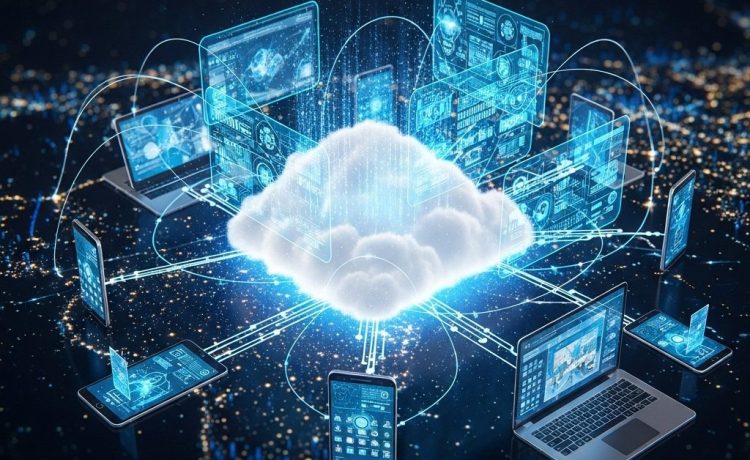
Edge computing processes data locally, right where it’s produced, reducing dependency on remote servers and enabling immediate reactions. Cloud systems remain essential for large-scale analytics and long-term storage. Together, they form a hybrid model balancing speed with computational depth.
What role does AI play in modern industrial operations?
AI systems analyze performance data, detect anomalies, and recommend adjustments without human intervention. They reduce downtime, extend equipment life, and improve product quality through continuous optimization. Over time, this leads to smarter, more autonomous operations.
Is automation replacing human workers?
Automation is undeniably reducing the number of people needed for many routine industrial tasks. As intelligent systems handle more monitoring and predictive functions, some roles are being consolidated or eliminated. However, new opportunities are emerging in system oversight, data interpretation, and maintenance, making reskilling a critical priority for business leaders.
How can companies balance innovation with cybersecurity?
Cybersecurity must evolve alongside system connectivity. Adopting zero-trust architectures and continuous monitoring solutions ensures that even as networks expand, every transaction remains verified and secure. Proactive defense is becoming a strategic differentiator.
What initial investments yield the biggest impact?
Organizations often see rapid ROI from predictive maintenance systems and data integration initiatives. These investments streamline operations, reduce waste, and deliver actionable intelligence that compounds efficiency over time.
How will sustainability goals shape future computing systems?
Energy-efficient processors, renewable-powered data centers, and adaptive cooling technologies are now integral to industrial design. As regulations tighten, companies embracing sustainable computing will gain both economic and reputational advantages.
Conclusion
Industrial computing is entering its most dynamic era since the advent of automation. The fusion of intelligence at the edge, predictive analytics, and connected control systems is creating an ecosystem where machines learn, adapt, and collaborate. Businesses that understand and invest in these emerging paradigms will not only improve operational resilience but will shape the blueprint for the next generation of industrial productivity.
The industrial revolution of tomorrow isn’t just powered by machines, it’s guided by data, shaped by intelligence, and sustained by design.