

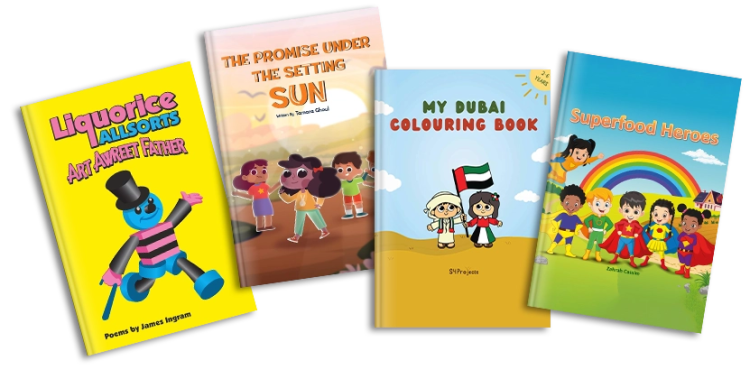
A child’s world of imagination is boundless. But it takes just a few seconds to hook their interest in the book. This is possible with a captivating book cover that sparks that magic. The moment those tiny hands reach out to the work, they are not choosing the words. They aim to explore the world hidden beneath the hard cover.
The colors, characters, and quirkiness of the cover speak louder than any title can. For the young readers, a well-designed one is not just art; it is an invitation to explore the adventure, mystery, and wonder hidden inside. At a glance, it will spark curiosity, excitement, and a desire to turn the first page.
So, let’s explore the importance of children’s book covers.
Turning the Curiosity into a Connection with A Cover That Builds the First Impression

A child’s decision to pick a book takes just a few seconds. The design, color palette, and style all play a crucial role in building that connection. The childrens book covers design must not only look appealing but also communicate the heart of the story.
- The use of bright colors and expressive characters draws the eyes of the young readers. This makes them curious about what lies inside.
- The cover discloses the book genre. It can be fantasy, humor, or adventure. These help children to grasp the mood of the readers even before they open the first page.
- The recognizable styles and the recurring character designs create a sense of comfort and familiarity. This encourages the children to explore more content from the same authors.
Elements That Play a Role in Grabbing the Book
Before a child opens the first chapter, the cover must hit the right target. Remember, it is not just the shell of your words, but a door that leads to imagination. The smoother it is and the more it succeeds in building curiosity and engagement, the more likely the child will dive into the story wholeheartedly.
1. Color Psychology: A Conversation With The Young Minds
Colors are not just decorative; they carry emotions. A skillfully designed children’s book cover uses colors to evoke feelings and set the tone for the story ahead.
- You can choose warm shades like red, orange, and yellow that inspire energy and happiness. This is a perfect palette for adventurous or funny stories.
- Cool color palettes are used to promote calm themes. These are often found on the covers of bedtime tales or a moral lesson book, where a soothing atmosphere is essential.
- The right mix of light and dark colors adds depth and directs focus, guiding a child’s eyes towards the main characters or elements.
| Color Type | Emotional Effect on Children | Popular Genre | Engagement Rate |
| Warm Colors | Excitement, Joy | Adventure, Humor | 72% |
| Cool Colors | Calmness, Comfort | Bedtime, Nature Stories | 58% |
| Bright Contrasts | Curiosity, Focus | Educational, Mystery Books | 81% |
2. A Consistency Across A Series: Building The Brand Identity
Children often grab a book to complete the series story. They recognize the series from its cover style. This builds excitement and anticipation. Consistency in the design makes the series identifiable on shelves and gives the young readers something they look forward to reading.
- Keep the consistency in the placement of the titles, author names, and logos. This keeps the collective cohesive.
- Subtle changes in character expressions or outfits reflect story growth, maintaining interest across multiple books.
- Use a distinctive color scheme that enhances recognition and creates a visual identity for the series.
3. Typography And Titles: Smaller In Details With Significant Impact
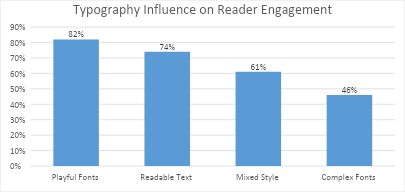
Typography might seem minor, but it carries the story’s rhythm even before the reader begins. A creative font will express whether the book is funny, mysterious, or heartwarming.
- Rounded and bouncy letters capture the joyful tone of the children’s stories.
- A clear, simple text will ensure that even early readers can easily recognize the title.
- The title color must complement, not compete with, the background. This ensures the focus remains balanced.
4. Character Design: A Face Of The Story
The characters on the cover are the emotional bridge between the story and its readers. A well-illustrated figure on the cover will invite empathy, connection, and identification. So, you can look for a top-rated children’s book illustration agency in UK and hire them for your book’s illustrations.
- Children respond closely to all the expressions. For instance, a smiling hero or a puzzled animal figure is an invitation to empathy, connection, and identification.
- Simple designs will allow kids to project their imagination onto the characters. This builds a personal connection.
- Movements in illustrations signal excitement and adventure. This encourages young readers to open the book and follow the action.
5. The Emotional Impact: A Cover That Speaks Without The Words
A good design will not just show but will feel. For children, emotions are everything, and the cover must reflect the story’s journey inside.
- The soft illustrations or heartfelt scenes draw the emotional attention.
- Action-filled visuals with movement will spark curiosity and excitement.
- The gentle tones and familiar visuals will make the book feel like a safe, friendly place to explore.
6. Marketing Importance: Covers Boosting Book Sales

In publishing, a strong cover is the silent salesperson that drives book sales, especially in children’s titles. Parents and children often choose books based on visuals rather than reviews.
- A striking design will stand out in the crowded bookstores or on online shelves.
- In the world of e-books, the thumbnails are the new covers. They have bold visuals that capture attention faster than text alone.
- Children will always choose those stories that will feel right. This feeling is created through the covers.
7. The Simplicity Is The Best Tool: Less Will Mean More
Sometimes a minimal design will work best. Simplicity allows children to focus on the core message without being distracted.
- Adding too many details on the cover will confuse the young readers. The simple art keeps attention centered.
- A single strong image will speak louder than a crowded composition.
- Minimal designs are often more recognizable and timeless.
FAQs
Why are the cover designs essential in children’s books?
As children, they judge a book by its visual appearance. A creative one will grab the attention and encourage them to open the book.
What makes a good children’s book cover?
The bright colors, fun characters, and easy-to-read titles will help young readers quickly grasp the story’s mood.
Do children purchase a book by viewing the cover?
Most of the children decide to buy the book within seconds, and a strong design helps them take a step.
What is the role of colors in making that choice?
Warm shades create excitement, while cool tones give a calm and comforting feel.
The Book Cover Is the Beginning of a Journey
A children’s book cover is not just an artistic accessory. It is the heartbeat of storytelling. It draws eyes, touches emotions, and opens doors to imagination. For a child, the cover is the first friend that whispers, “Come in, there is magic inside.”
Every color, curve, and character plays a role in shaping that first bond between reader and story. And when done right, that small piece of design transforms from a simple picture into a lifelong memory.