

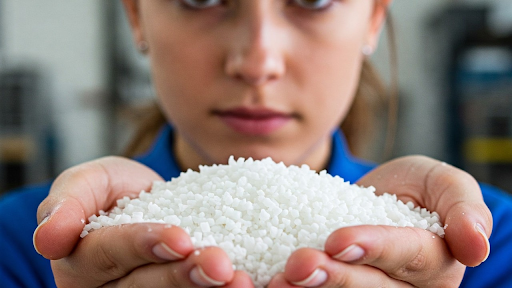
Damage from rats and mice adds up fast – billions lost yearly on chewed wires, tubing, plastic wraps, and containers. Most ways to handle pests kick in only after trouble shows up. Instead of waiting, Anti Rodent Masterbatch builds protection right into materials. Wondering who makes it in India? Here’s what plays out behind the scenes with producers of this mix.
Anti Rodent Masterbatch Explained?
From the start, anti rodent masterbatch works by mixing into plastic as it’s made. This blend uses substances – either drawn from nature or created in labs – that rats and mice avoid. Unwelcome scents or tastes keep these pests away from gnawing or settling close. The result? Plastic items stay intact when surrounded by such animals.
Inside the mix, tiny capsules hold what keeps pests away. These break down bit by bit, letting the shield last longer. Even as it fades out, the plastic stays just as strong, flexible, or tough as before. The material feels the same, works the way it should.
How It Works?
Inside the material, tiny guard molecules mix with melted plastic. These keep bugs away while blending smoothly into the base. A steady release happens when warmth touches the surface. Protection forms without needing extra layers. Molecules move out slowly, staying effective over time
During extrusion or molding, tiny color pellets mix into the plastic. These bits spread evenly as the material heats up. Blending happens under pressure and heat. The process ensures consistent tones throughout the product. Uniformity appears once everything flows together
Over time, the molecules move through the material toward its outer layer. From deep inside, they travel until reaching the exterior. Little by little, they appear on the outside edge of the item. As days pass, movement continues outward naturally. These particles shift steadily to meet open air
Something smells wrong to mice, so they stay away. The scent turns them off right away. A single whiff keeps them moving. Bitter hints make rats hesitate then leave. They sense trouble fast. Nasty flavors stop nibbling before it starts
Its impact continues throughout how long the item actually works
Anti Rodent Masterbatch Uses
- Electrical cables and wiring harnesses
Pipes for watering crops alongside plastic sheets used on fields
- Automotive wire insulation
Buried lines face chewers below ground. Where wires run low, teeth find them easily. Rodents strike where digging happens most. Cables suffer when critters move in nearby soil. Hidden pathways invite unwanted bites. Protection matters most out of sight
- Industrial packaging and storage bags
Some of the items used in building work include tubes for wiring along with water-carrying channels made from durable substances found on job sites
Application
Risk Without Protection
Anti Rodent MB Keeps Pests Away
Typical Dosage
Electrical Cables
Short circuits, fires
Prevents chewing damage
2–5%
Irrigation Pipes
Puddles spread where pipes split. Plants died without water reaching roots
Long-term field protection
2–4%
Automotive Wiring
Electronic failure
Protects vehicle systems
2–5%
Telecom Cables
Network outages
Reduces maintenance costs
3–5%
Agri Films
Film puncture, rodent nests
Protects crop coverage
2–3%
Source Anti Rodent Masterbatch from Indian Compound Makers?
- India has a well-established specialty chemical and plastics industry
- Competitive pricing compared to imported products
- Customizable formulations for specific polymer types
- Strong technical support from experienced compound manufacturers
Meeting international requirements means products ship without delay. Standards alignment happens during every production phase. Global regulations guide material selection. Finished goods match what markets demand. Testing confirms consistency across batches
Common Errors with Anti Rodent Masterbatch
Too little of the medicine means it might not work well. Starting small can leave the problem untouched. A weak amount often fails to make a difference. What helps sometimes isn’t enough when doses stay low. Tiny portions may barely touch the issue at hand
- Not confirming compatibility with the base polymer
Surprisingly, the masterbatch doesn’t kill rodents – just keeps them away. Though designed to draw pests in, its effect turns out milder than expected. Instead of ending their lives, it simply pushes them elsewhere. What seemed like a solution becomes more of a deterrent. Rodents avoid the area, but survive just fine. The outcome? A barrier forms without harm
- Ignoring storage conditions, which can degrade the active compound
- Skipping field trials before mass production
Tips for Best Results
Start with a small amount – between two and five percent – as your maker suggests. That range works well when you follow the guidelines closely. Some compounds need less, others more, depending on what they are made for. Always check the details before mixing anything together. This keeps results consistent without going beyond safe levels
- Ensure thorough mixing during the compounding or extrusion process
- Store masterbatch in sealed, cool, and dry conditions
Before moving forward with larger output, check how things work on site using real-world trials
Use alongside walls or shields where danger is greatest. Protection grows when layers work together. Barriers stand strong, yet pair them with extra steps. Where threats loom large, more defenses help. Safety deepens through added measures near risky spots
Frequently Asked Questions
1. Is anti rodent masterbatch safe for humans and animals?
Yes. Reputable compound manufacturers in India formulate anti rodent masterbatch using compounds that are safe for humans and non-target animals at normal usage levels.
2. Does it affect the mechanical properties of the plastic?
At recommended dosage levels, anti rodent masterbatch has negligible impact on tensile strength, elongation, or other mechanical properties.
3. How long does the rodent-repellent effect last?
Typically 5 to 10 years depending on environmental conditions and the formulation used. Outdoor and UV-exposed applications may have reduced longevity.
4. Can it be used in food-contact plastics?
Some formulations are designed for food-contact compliance. Always check with your compound manufacturer for the appropriate grade.
5. What polymer types is it compatible with?
Anti rodent masterbatch is available for HDPE, LDPE, PP, PVC, and other common polymers. Confirm compatibility with your specific grade before ordering.
Conclusion
Anti Rodent Masterbatch is a smart, cost-effective way to protect plastic products from rodent damage. With India’s strong base of compound manufacturers, you can access high-quality formulations at competitive prices with excellent technical support.