

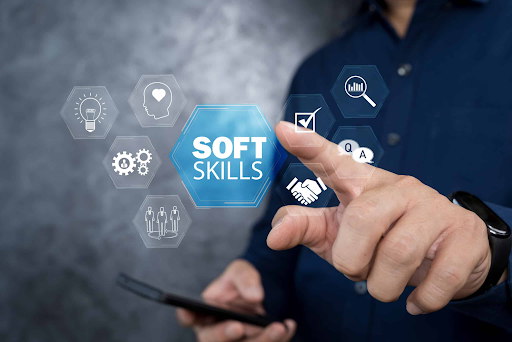
All workplaces depend on more than just technical knowledge. The backbone of any productive team is communication, empathy, and adaptability, which are qualities that cannot be replicated with software or machines. The soft skills training for employees have subtly become the primary asset to professional development in an increasingly collaborative World of Work. This article looks at why, in today’s world, all these human attributes are important and provides five suggestions for making workplaces more connected and stronger through employees.
-
The Human Side of Modern Work
As we’re driven by technology, our systems are driven by people. The success of any project, negotiation, and/or decision is ultimately a direct result of the ability of individuals to communicate as well as collaborate effectively. Soft skills add the human touch and empathy to a mechanical place. They can assist employees to communicate between departments, avoid misunderstandings along with improving trust.
-
Why Soft Skills Outshine Technical Expertise
The technical skills do the opening, the soft skills determine how far one goes through. A sharp-minded individual who is weak in the ability to communicate ideas is unable to motivate teams or project management. Employers today place as much emphasis on emotional intelligence, patience and adaptability as they do on qualification. The characteristics of how a person responds to pressure, feedback and change.
-
The Changing Face of Professional Success
Emphasis has shifted from individual brilliance to success at work. The workplace of today’s world is all about team work, creativity as well as shared responsibility. Workers who know how to work relations, deal with conflict peacefully, and have empathy for people tend to make better leaders and get promoted faster. Soft skills training enables people to cultivate this all-rounder strategy for professional development.
-
Building Stronger Teams Through Better Communication
Communication is the lifeline of any good team. Often, frictions occur more due to misunderstanding, confusion in instructions and poor listening skills rather than lack of skills. Soft skills training teaches employees how to clearly communicate ideas and listen and react to their surroundings instead of reacting to them. Improved communication leads to better collaboration. Teams develop greater trust, more dialogue and resolve conflicts sooner. Communication ultimately is the key to creating groups of people from teams of individuals who can work together as a unified team.
-
The Ripple Effect of Soft Skills Training
If there is a workplace culture where soft skills training is integrated, then the impact of the soft skills training goes beyond the individual employee. Communication is enhanced, conflict is resolved quickly, and morale is raised organically. Emphatic and patient leadership encourage this in others across the organisation. The impact of this ripple effect adds to the overall culture of the workplace, promoting collaboration and cooperation rather than competition. The whole organisation benefits when employees become more emotionally aware and socially skilled – resulting in better collaboration, higher engagement and a more ‘human-centred’ and positive working environment.
Conclusion
Whether or not automation and technological innovation come to the rescue, the human factor cannot be supplanted. The soft skills training to employees is an education on the fact that success is not dependent on machines, but rather on people who use them wisely. At the end of the day, promoting communication, empathy and adaptability in the workplace can go a long way towards facilitating collaboration to thrive on its own, without being prodded.